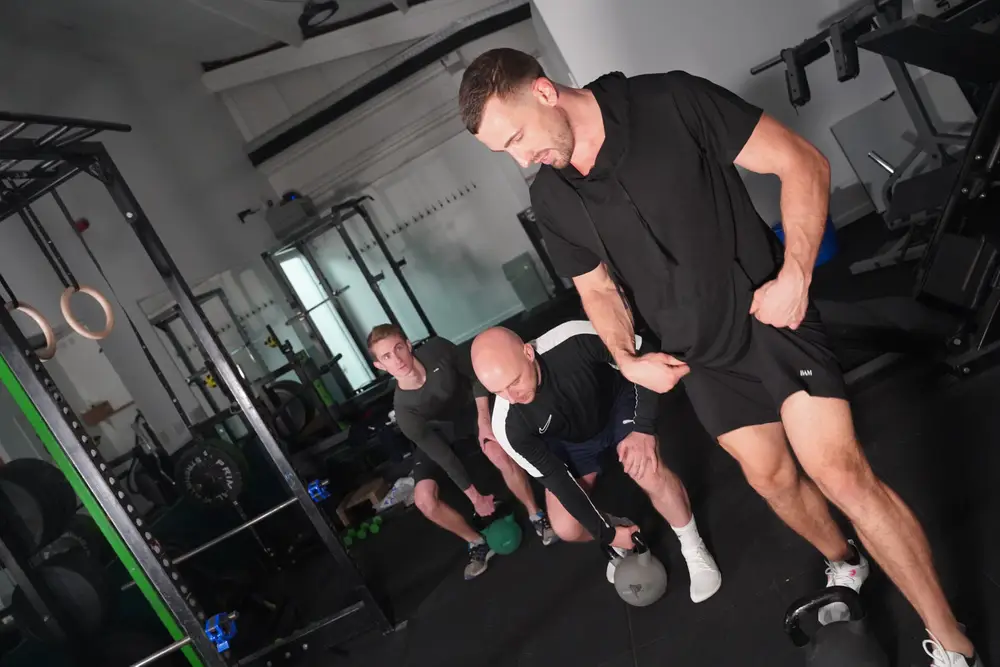
Cambridge runs on cognitive output. The body carrying that brain is usually the least-managed asset in the building. Here's how to train it properly.
Cambridge is an unusual place to coach. In a typical week I work with people whose professional lives are built entirely on sustained thinking — researchers, clinicians, engineers, founders, people mid-way through a doctorate that has quietly taken over their life. They manage their attention carefully. They manage their calendars ruthlessly. And almost all of them arrive having neglected the one piece of hardware that everything else runs on.
This is not laziness. It is a rational response to bad information. Most training content is written for people whose main problem is motivation, which is not the problem here. The problem here is a body that has been treated as a transport mechanism for a brain.
What long-form thinking does to a body
Deep work has a physical signature and it is remarkably consistent. Eight to ten hours of near-motionless focus, usually in a forward-flexed position. Shallow breathing, because concentration quietly reduces respiratory volume. Hips held at ninety degrees until the tissue stops expecting anything else. A cycle commute that reinforces exactly the same shape. Then an evening spent recovering from the day in the same chair-like position on a sofa.
The result is not an injury. It is a slow narrowing of what the body can do. Rotation goes first — nobody rotates at a desk. Then overhead reach. Then the ability to load a hinge without the lower back taking the work. None of it hurts until one day something ordinary does.
Nobody gets injured by a heavy deadlift. They get injured by four years of not moving, followed by a heavy deadlift.
Train the thing the desk removes
If the working day subtracts rotation, overhead reach, loaded hinging and single-leg control, then the training week exists to put those back. This is why I do not run generic programmes. The programme is built from what the assessment shows is missing, in the order that makes the most difference.
Rotation, not just up and down
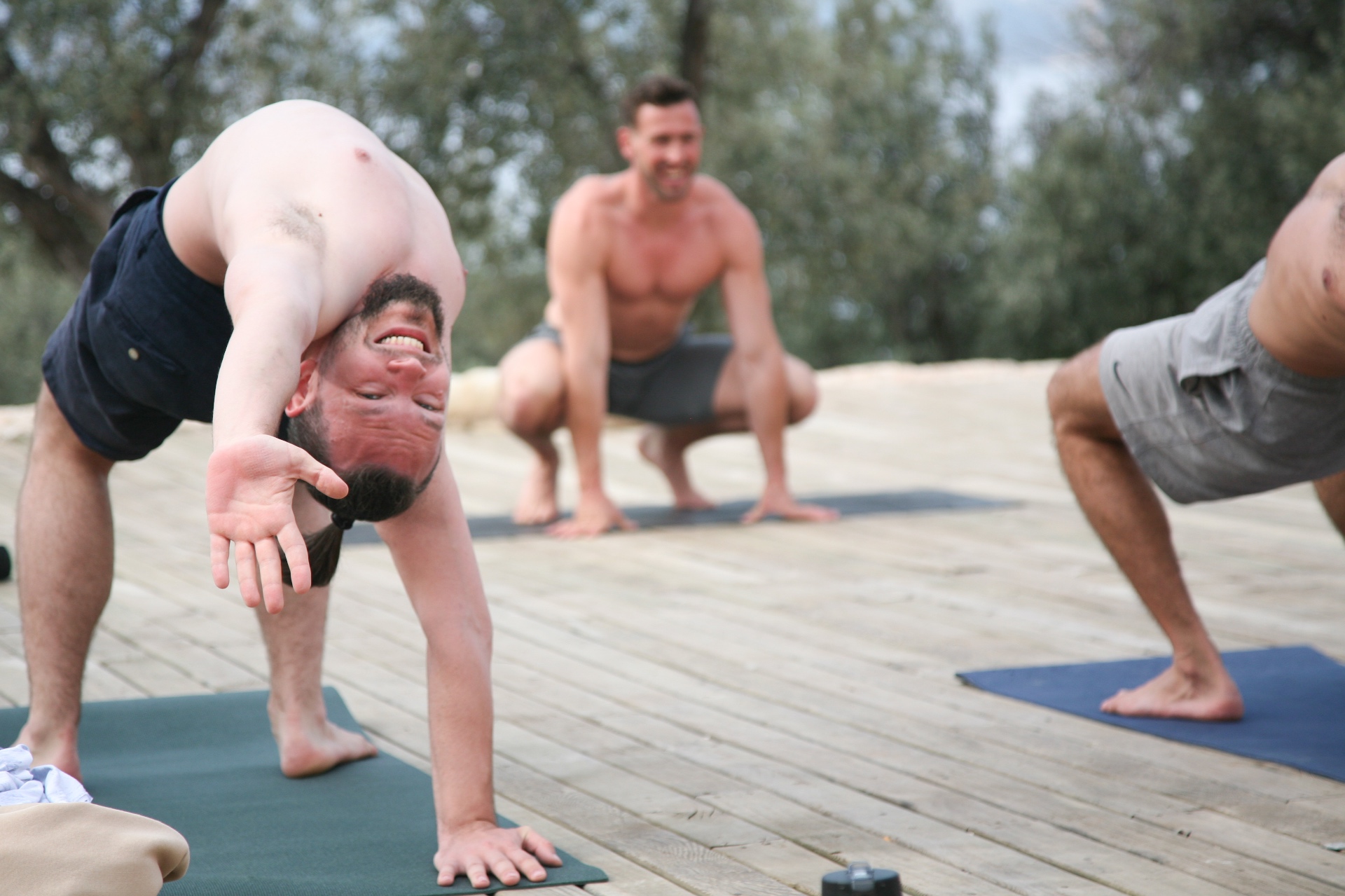
The spine is built to rotate and almost no modern week asks it to. Restoring controlled rotation is usually the fastest route to a back that stops complaining, and it makes everything else — carrying, throwing, turning to look behind you on a bike — feel less like a risk.
Breathing as a training variable
Breathing is the one thing you do continuously and the one thing nobody coaches. Get it right and your ribcage, diaphragm and pelvic floor start sharing load properly. It also happens to be the most direct handle you have on a nervous system that has been in low-grade alert since Monday.
Strength that is actually load-bearing
Squat, hinge, push, pull, carry. Progressively loaded, technically coached, and adjusted as you change. This is the unglamorous part and it is the part that produces the outcome most of my clients actually wanted: a body that no longer sets the ceiling on the week.
Why intelligent people abandon programmes
In my experience it is rarely discipline. It is three specific design faults.
- The plan assumed a stable week — and a grant deadline, a clinical rota or a funding round removed it
- Nobody explained the reasoning, so the first genuinely busy week made the training look optional
- Progress was measured in a way that could not detect it, so eight weeks of real change registered as nothing
Each of those is fixable, and each of them is the coach's responsibility rather than yours. Give a thinking person the reasoning behind a decision and they will hold the habit through a hard month. Give them a plan with no explanation and they will correctly identify it as the easiest thing to drop.
What good coaching looks like from the inside
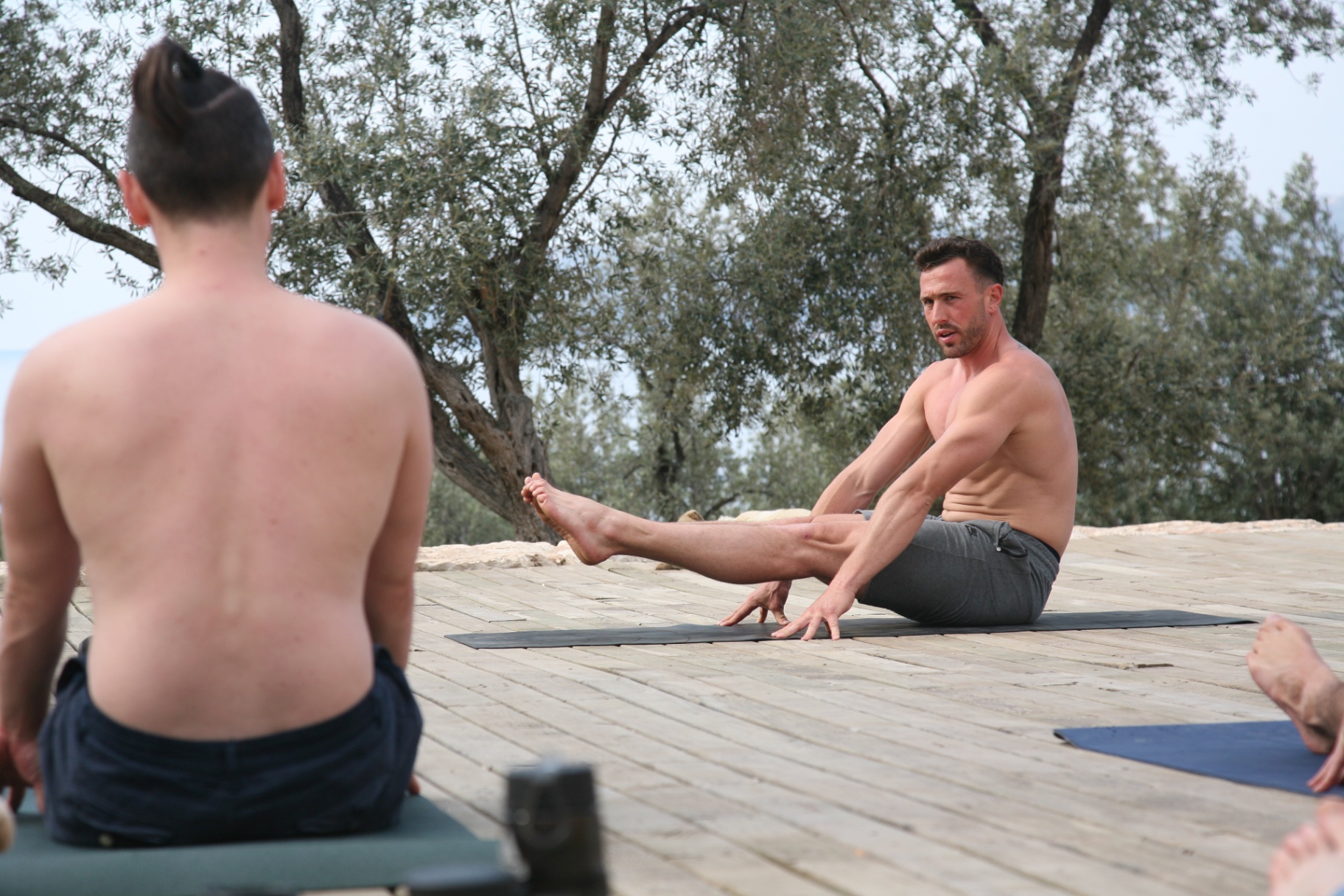
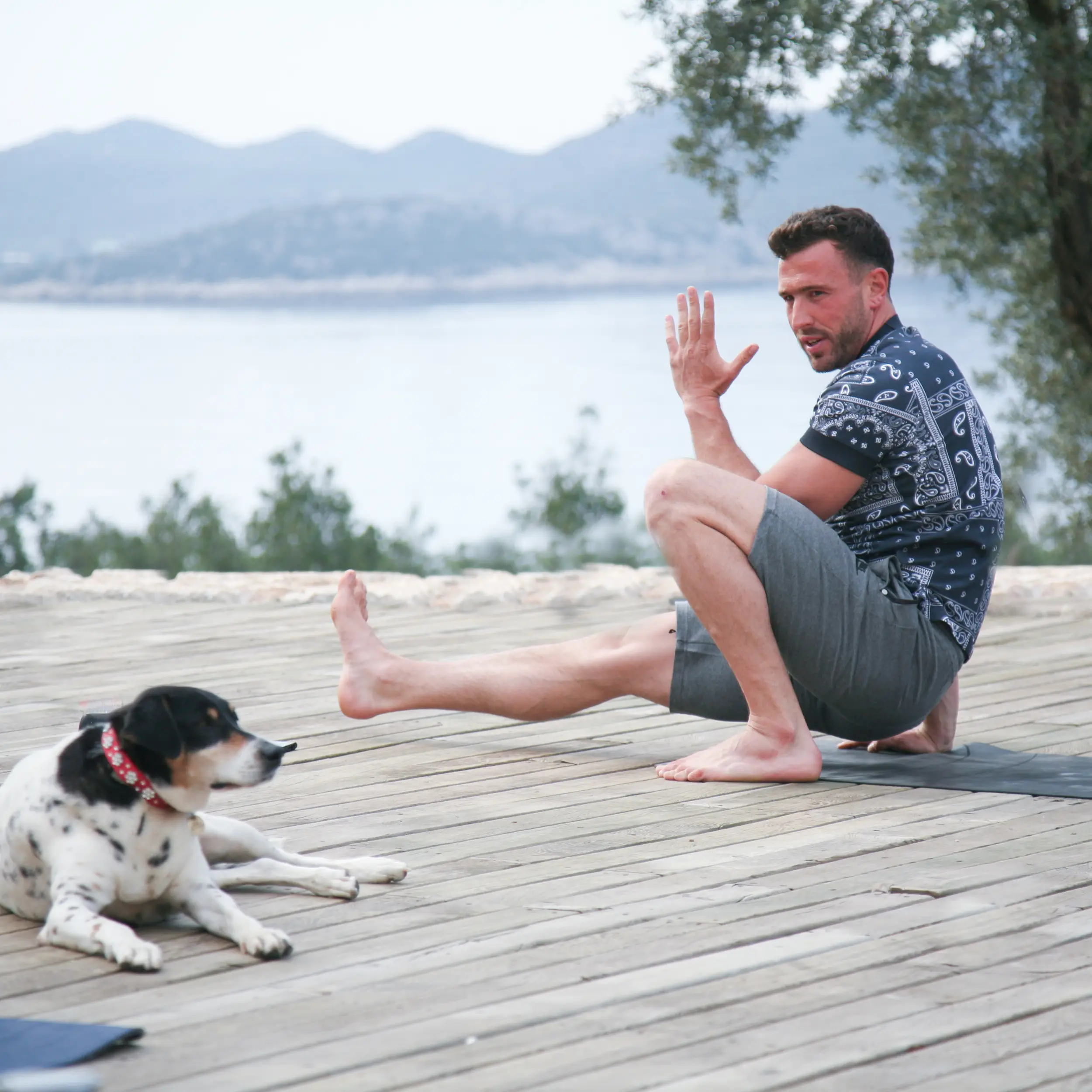
It starts with an assessment — eight simple movements, roughly ten minutes, no scores and nothing to pass. It tells me where your movement is easy, where it is sticky, and where it stops. From that we pick one primary focus and one secondary, and the training is built around those rather than around everything that could theoretically be improved.
Then it is a matter of repetition and honest feedback. You tell me how a session felt. The next one reflects that. Over a few months the plan stops being something imposed on your week and becomes something you would choose anyway.
The honest limits
I am a strength coach, not a clinician. I do not diagnose, I do not treat pain, and I will send you to a physio the moment that is the right call. What I do is build capacity, and capacity is what makes most of the small daily aggravations stop mattering. That distinction matters more than any promise I could make.
If you work with your mind and want the body under it properly looked after, that is precisely the work I do in Cambridge.
Book a discovery callCommon questions
- Does strength training actually help cognitive performance?
- Indirectly, and reliably. Resistance training improves sleep quality, blood glucose handling and mood regulation — three things that determine how well you think on a difficult day. I would not claim it makes you cleverer. I would claim it removes several of the things that make you slower.
- How little training can I get away with?
- Two properly structured sessions a week, around 45 minutes each, will build and hold strength for most desk-based people. Consistency at two beats heroics at five followed by nothing for a month.
- I've started and stopped a dozen times. Why would this be different?
- Usually because previous programmes assumed a stable week. If your work swings from calm to relentless, the plan has to bend with it — a version for a good week, and a shorter one that still counts on a bad one.
Written by Thomas Beeston, holistic strength coach at Strength by Design.
Apply this approach through in-person coaching in Cambridge or online coaching worldwide.